
Forty years on, Los Lobos have not only survived, they still howl.
There is something noble about seeing a professional working band in the October of their careers, especially a band as great as Los Lobos. Their brilliant 1984 major label debut asked the question “How Will The Wolf Survive” and the answer 31 years later is “quite nicely, thank you”.
Los Lobos have constructed a career out of constant touring and remain consummate musicians, able to turn on a dime from roots-Americana to roadhouse blues to jazz to Norteno to jamband riff-rock. To me Los Lobos are the consummate American band, and possibly one of the most underrated American bands of all time. I’ve never seen a band proficient in so many different styles and moods.
I have seen them live on the order of twenty times in their career going back to the mid-80s when they were part of the Los Angeles roots and punk scene, opening for bands as diverse as the Blasters, X and Black Flag. I can honestly say I’ve never seen two Los Lobos shows that were alike. I have seen them play their 1987 fluke #1 US hit “La Bamba” three times in a show in three different styles, some shows where they don’t play it all; some shows where they stuck to Norteno music, some where they played nothing but blues, some where they played mostly covers including Grateful Dead songs.
Formed in 1973 but not coming into national recognition until 1983’s “…And A Time To Dance”, Los Lobos has kept the same set of four musicians for that entire time: David Hidalgo on guitar and accordion, the sunglasses-clad Cesar Rosas on guitar, Louie Perez on guitar, Conrad Lozano on bass, all of whom met in high school in East Los Angeles. Saxophone, flute and keyboards virtuoso Steve Berlin jumped over from the Blasters to Los Lobos 1984 to complete the core band that has now held constant for three decades.
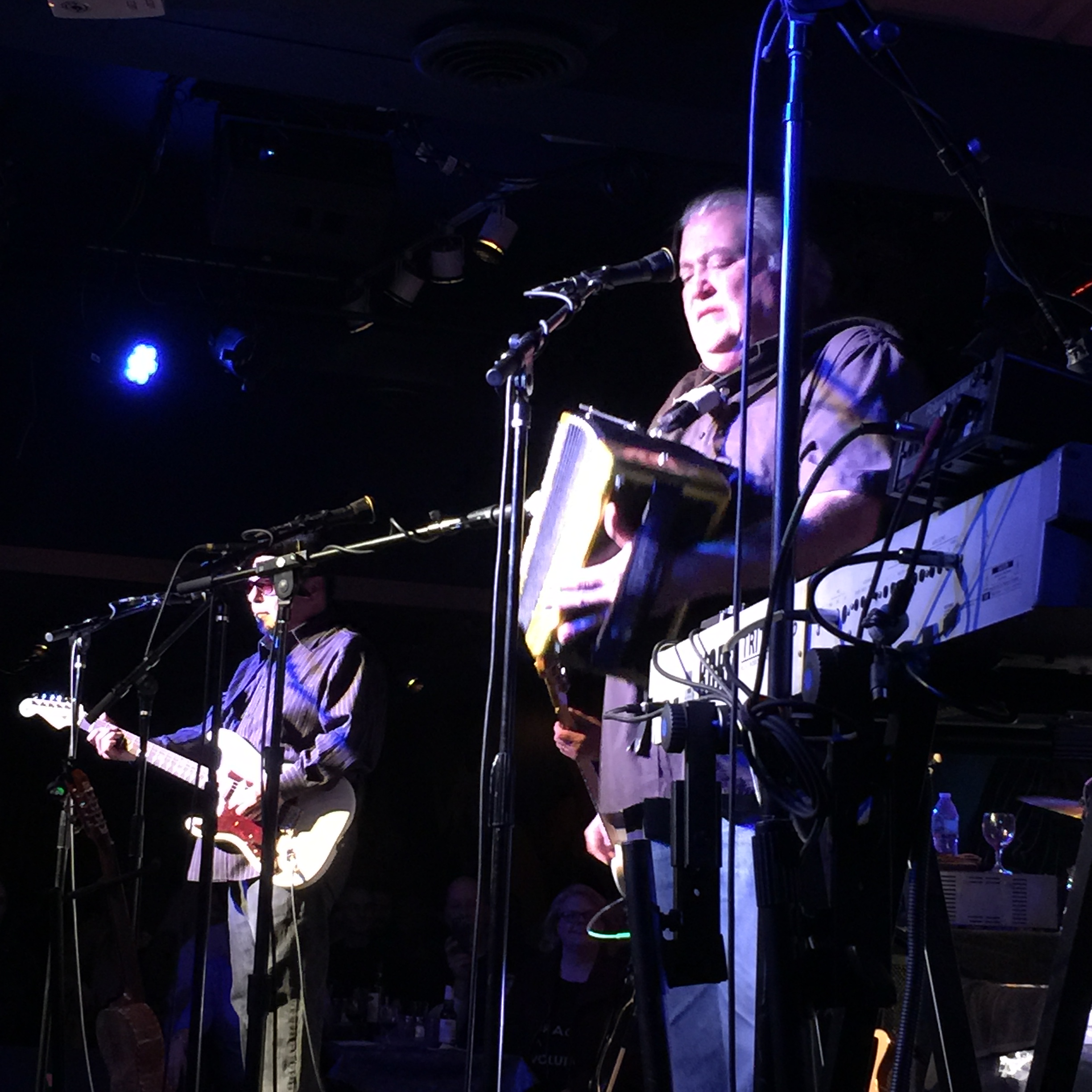
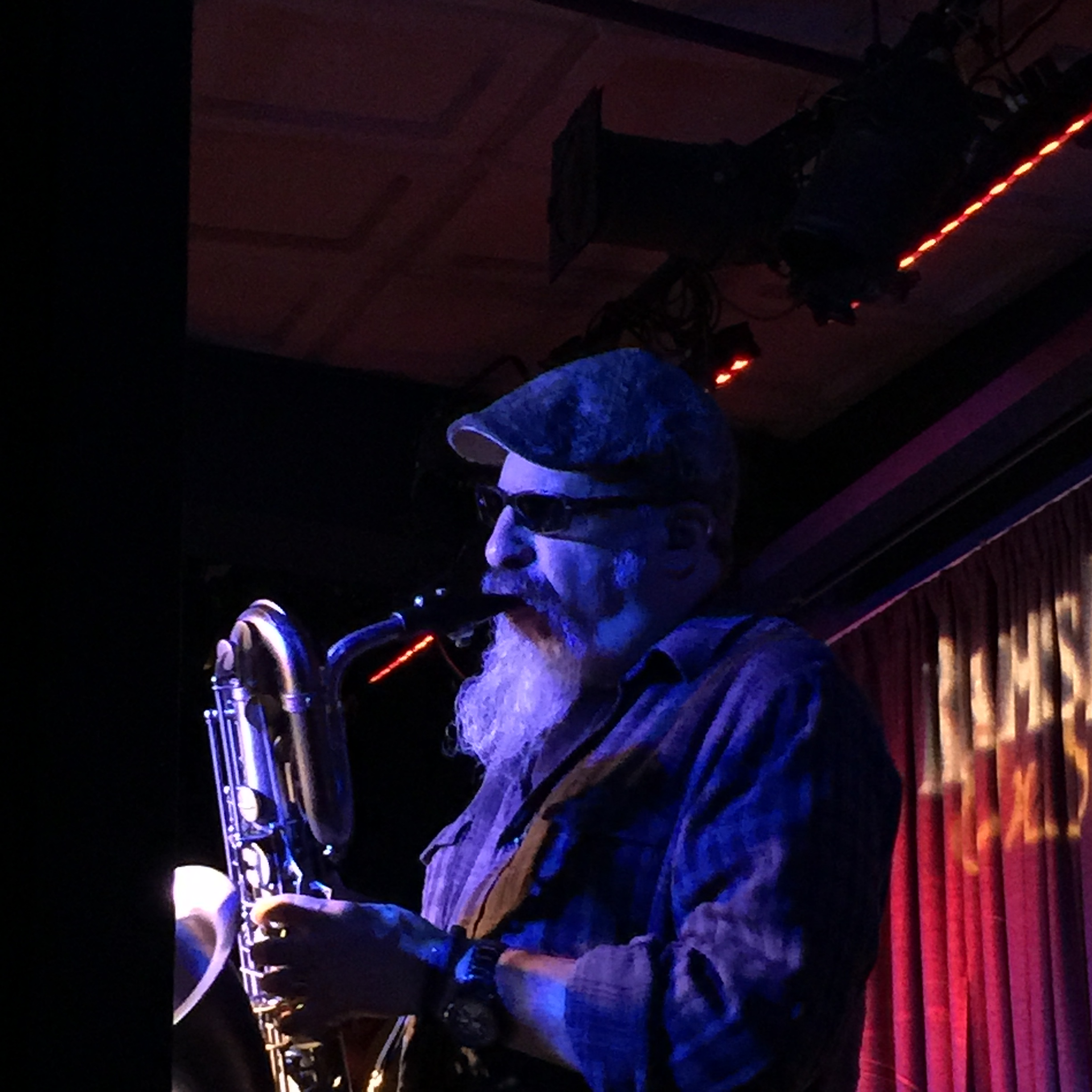
Over the years, Los Lobos have continued to be critics favorites and a sparkling live act and long after the bright “La Bamba” lights have faded, Los Lobos have continued to make album after album of subtle, powerful, nuanced rock influenced by their East LA background to a core group of devoted fans.
But it’s really their live shows where Los Lobos has made their career. They play without a setlist (or a net, for that matter). It appears that they tend to know what the first two or three songs of a set are going to be and then they feed off the crowd and depending on how the crowd responds they move off in that direction. Sometimes their shows are merely very good, sometimes they are brilliant with moments of musical transcendence, especially when Hidalgo is feeling inspired.
Hidalgo and Rosas trade off vocals from song to song, with Rosas doing more of the Norteno and gruffer blues vocals and Hidalgo’s heartbreaking tenor voice carrying off the more poignant ballads and mid-tempo numbers. Hidalgo is an amazing soloist on guitar and accordion and as a singer he is a real revelation, a shy mountain of a man with a gorgeous voice capable of pain and joy, sometimes simultaneously.
When you watch a Los Lobos show, you are taken with how clearly each musician is listening to the other musicians and adjusting their playing in and out of the melody around each other as if they are engaging in an intertwined musical dance.
The other thing you notice is that they’re still pushing themselves musically to find both new colors and moods from the older songs. Most bands forty years into their careers are just going through the motions, playing the hits like a jukebox for the crowd. Los Lobos shows, though, are a celebration of the power of music to continually reinvent itself as the musicians weave and out of each musically in new arrangements pushing each other to find something new out of the old songs.
They still play with a power and a passion belying their years which was testified to by the two sets they played to appreciative crowds in Annapolis, Maryland at the Ramshead on Feb 27. I saw the late set (musicial tip: always hit the late set for any band playing two sets) and once again they did not disappoint.
They played a roughly one hour forty-five minute set that covered their entire career and jumped in and out of every style and genre they play, with maybe a slight emphasis on the jazzy side of the blues. The highlight to me was a showstopping version of the Billy Myles blues standard “Have You Ever Loved A Woman” made popular by Freddie King in the early 1960s, with a solo by Hidalgo that figuratively nearly caught his guitar on fire.
Other highlights were “I Can’t Understand”, “Maricela”, a really nice ten-minute version of the Grateful Dead’s “Bertha”, and every song where Hidalgo played accordion. He has to be the best accordionist in the blues/roots scene.
Los Lobos play music not because they’re trying to be cool or trendsetters. They’re not trying to have another big hit. Los Lobos play music because they’re true musicians, and playing music is what musicians do.
Catch Los Lobos when they come to your town. They are true American originals.
Below is a clip from the show with Rosas doing lead on a cover of “Papa Was A Rolling Stone” then “I Can’t Understand” followed by Hidalgo taking the lead on “Down On The Riverbed”.
 See The Sun In Wintertime